
Your water heater is one of those home appliances you probably don’t think about much until something goes wrong. As long as the shower gets hot, the dishwasher runs, and the washing machine does its job, it’s easy to forget that your water heater is quietly working in the background every day.
But water heaters do not last forever. Eventually, every system reaches the point where repairs become less practical and replacement starts to make more sense. So, how long does a water heater last?
In general, a traditional tank water heater lasts about 8 to 12 years, while a tankless water heater can often last 15 to 20 years or more with proper maintenance. That said, the actual lifespan depends on several factors, including the type of water heater, water quality, installation quality, maintenance, and how heavily the system is used.
Below, we’ll break down what affects the life of a water heater, signs yours may be wearing out, and what you can do to help it last longer.
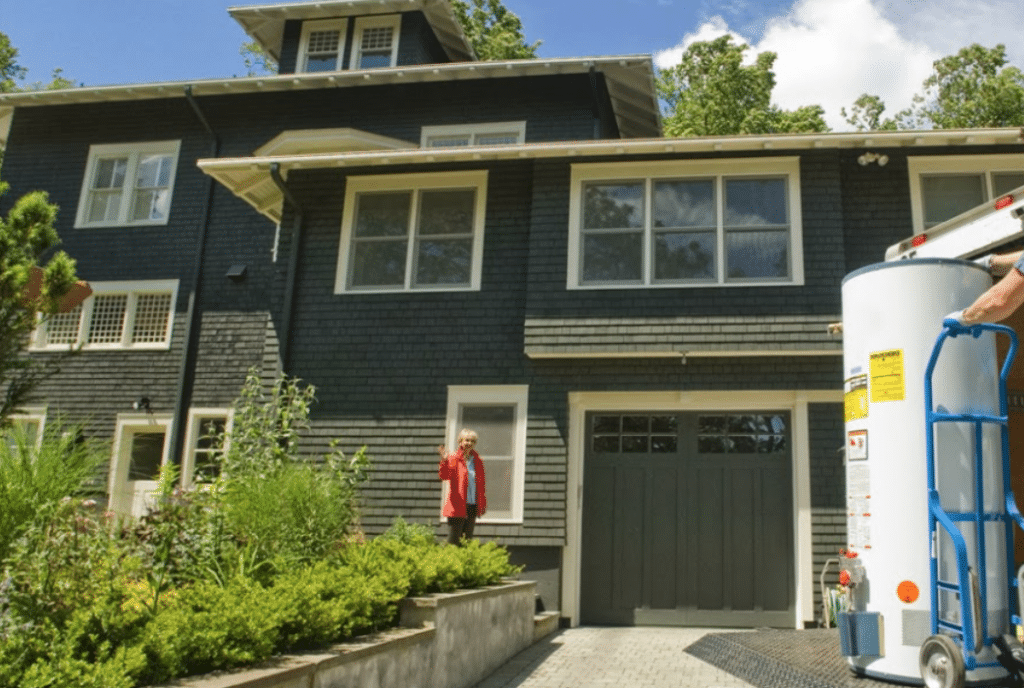
Average Lifespan of a Water Heater
Most standard tank water heaters last somewhere around 8 to 12 years. Some may fail sooner, especially if they have not been maintained or if the home has hard water. Others may last a little longer if they were installed correctly, flushed regularly, and protected from excess sediment buildup.
Tankless water heaters usually last longer because they do not store a large amount of hot water inside a tank. Instead, they heat water on demand. Because there is no large storage tank constantly holding water, there is typically less risk of tank corrosion. Many tankless units can last 15 to 20 years or more when properly maintained.
Here’s a simple breakdown:
- Traditional tank water heater: about 8 to 12 years
- Tankless water heater: about 15 to 20 years or more
- Hybrid water heater: often around 10 to 15 years
- Well-maintained systems: may last longer than average
- Poorly maintained systems: may fail earlier than expected
Of course, these are general estimates. A 10-year-old water heater might still be working fine, while a 6-year-old unit could already be struggling if it has had a rough life.
What Affects How Long a Water Heater Lasts?
A water heater’s age matters, but age is not the only thing that determines when it needs to be replaced. A few key factors can make a big difference in how long your system lasts.
1. The Type of Water Heater
The type of water heater you have plays a big role in its expected lifespan.
A traditional tank water heater stores hot water inside a tank. Over time, minerals, sediment, and corrosion can build up inside that tank. Since the tank is constantly holding water, it is usually the part of the system most likely to fail.
A tankless water heater works differently. It only heats water when you need it. Since there is no storage tank, these systems often last longer. However, tankless units still need maintenance, especially in areas with hard water.
Hybrid water heaters, also called heat pump water heaters, are another option. These systems can be efficient, but like any appliance, their lifespan depends on usage, installation, and maintenance.
2. Water Quality
Water quality has a huge impact on water heater lifespan. If your home has hard water, minerals like calcium and magnesium can collect inside the tank. Over time, this sediment can settle at the bottom and create problems.
Sediment buildup can make the water heater work harder to heat the same amount of water. It can also lead to popping or rumbling noises, reduced efficiency, and more wear on the tank. In some cases, sediment buildup can cause the tank to overheat or corrode faster.
Homes with hard water may need more frequent maintenance to keep the water heater in good shape.
3. Maintenance
Regular maintenance can help extend the life of a water heater. Unfortunately, many homeowners skip water heater maintenance until there is already a problem.
For tank water heaters, flushing the tank helps remove sediment. Checking the temperature and pressure relief valve is also important because that valve helps protect the system from unsafe pressure buildup. Some systems also have an anode rod, which is designed to attract corrosion before it attacks the tank itself. When the anode rod wears out, the tank becomes more vulnerable to rust.
Tankless water heaters also need maintenance. They should be descaled periodically to remove mineral buildup from inside the unit.
A little maintenance can go a long way toward helping a water heater last as long as possible.
4. Installation Quality
Even a high-quality water heater can have problems if it was not installed correctly. Poor installation can affect performance, safety, and lifespan.
For example, the wrong size unit may struggle to keep up with household demand. Improper venting on a gas water heater can create safety issues. Poor connections can lead to leaks. Incorrect pressure settings can put unnecessary stress on the system.
That is why professional installation matters. A properly installed water heater is more likely to operate efficiently and last longer.
5. Household Usage
A water heater in a home with one or two people may not work as hard as one in a busy household with multiple showers, laundry loads, and dishwasher cycles every day.
The more hot water your household uses, the more demand is placed on the system. Heavy usage does not automatically mean the water heater will fail early, but it can contribute to wear and tear over time.
If your water heater is undersized for your household, it may also have to work harder than it should. That can shorten its lifespan and leave you with less hot water when you need it most.
Signs Your Water Heater May Be Near the End
Sometimes a water heater fails suddenly, but in many cases, there are warning signs first. Knowing what to look for can help you replace the unit before it creates a bigger problem.
1. Your Water Heater Is Over 10 Years Old
If you have a traditional tank water heater that is more than 10 years old, it is worth paying closer attention to it. That does not always mean it needs to be replaced immediately, but it is entering the age range where problems become more common.
You can usually find the age of your water heater by checking the manufacturer label or serial number on the unit.
2. You Are Running Out of Hot Water Faster
If your water heater used to provide enough hot water but now runs out quickly, something may be wrong. Sediment buildup, a failing heating element, thermostat issues, or general age can all affect hot water supply.
For older units, reduced hot water is often a sign that the system is losing efficiency.
3. The Water Looks Rusty or Discolored
Rusty or brownish hot water can be a sign of corrosion inside the tank. If the discoloration only appears when using hot water, the water heater may be the source.
Corrosion is especially concerning because once the tank itself starts to rust, replacement is usually the best option. A corroded tank can eventually leak.
4. You Hear Rumbling, Popping, or Banging Sounds
A noisy water heater is often caused by sediment buildup at the bottom of the tank. As water heats, trapped sediment can harden and create popping or rumbling sounds.
Some noise may not mean immediate failure, but it is a sign the system should be checked. If the unit is older, those sounds may indicate that the water heater is working harder than it should.
5. There Is Water Around the Base
A leak around the bottom of the water heater is one of the clearest signs of trouble. Sometimes the issue may come from a fitting, valve, or connection. But if the tank itself is leaking, replacement is usually needed.
Tank leaks should not be ignored. Even a small leak can turn into serious water damage if it gets worse.
6. Your Energy Bills Are Going Up
An aging water heater may need more energy to do the same job. If your energy bills are increasing and you have not changed your normal usage, your water heater could be part of the problem.
Older systems often become less efficient as sediment builds up, components wear out, or the tank loses performance.
7. You Need Frequent Repairs
One repair may be reasonable. But if your water heater keeps having issues, it may be time to compare repair costs with replacement costs.
As a general rule, if the unit is older and the repair is expensive, replacing the water heater may be the smarter long-term choice.
Should You Repair or Replace Your Water Heater?
Whether you should repair or replace your water heater depends on its age, condition, and the type of problem you are having.
Repair may make sense if the water heater is fairly new and the issue is minor. For example, a faulty thermostat, heating element, or valve may be repairable.
Replacement may make more sense if the water heater is near the end of its expected lifespan, leaking from the tank, heavily corroded, or needing frequent repairs. If your tank water heater is around 10 years old or older, it is usually smart to start thinking about replacement, especially if it is showing warning signs.
The biggest thing to avoid is waiting until the water heater completely fails. A planned replacement is usually much less stressful than waking up to no hot water or finding a leak in your garage, closet, or utility room.
How to Help Your Water Heater Last Longer
While no water heater lasts forever, there are a few things you can do to help extend its life.
Flush the Tank
Flushing a tank water heater helps remove sediment that collects at the bottom. This can improve efficiency and reduce strain on the system.
How often you should flush it depends on your water quality and usage, but many homeowners benefit from having it done at least once a year. Homes with hard water may need it more often.
Check the Anode Rod
The anode rod helps protect the inside of the tank from corrosion. Over time, the rod wears down. If it is not replaced when needed, the tank itself may start to corrode faster.
Many homeowners do not think about the anode rod, but it can make a real difference in the lifespan of a tank water heater.
Watch for Leaks
Small leaks can become big problems. Check around the base of the unit, near the valves, and around the connections. If you notice moisture, rust, or dripping, have it looked at before it gets worse.
Keep the Temperature at a Safe Setting
Setting the temperature too high can put extra stress on the system and increase the risk of scalding. Many homeowners keep their water heater around 120 degrees. This is typically hot enough for normal household use while helping reduce energy waste.
Schedule Regular Maintenance
Routine maintenance can help catch small problems early. A plumber can inspect the system, check valves, look for corrosion, flush the tank, and make sure everything is working safely.
This is especially helpful if your water heater is getting older.
When Is the Best Time to Replace a Water Heater?
The best time to replace a water heater is before it fails completely. If your unit is older, making noise, leaking, producing rusty water, or struggling to keep up with demand, it may be time to start planning for replacement.
Waiting too long can lead to bigger problems, including water damage, emergency replacement costs, and the inconvenience of having no hot water.
If your water heater is still working but nearing the end of its lifespan, this is a good time to compare options. You may decide to replace it with another tank model, upgrade to a tankless system, or consider a more energy-efficient option.
Final Thoughts
So, how long does a water heater last? Most traditional tank water heaters last about 8 to 12 years, while tankless water heaters can often last 15 to 20 years or more with proper care.
The exact lifespan depends on the type of system, water quality, installation, maintenance, and how much hot water your household uses. If your water heater is older or showing signs of trouble, it is better to deal with it early than wait for a major failure.
A well-maintained water heater can provide years of reliable hot water. But once the system starts leaking, rusting, making loud noises, or needing frequent repairs, replacement may be the safest and most cost-effective choice.